A roof is one of the few things on a house you hope to never think about until water starts running where it shouldn't. When that moment comes, choices matter. Hiring the wrong roofing contractor costs money, time, and sleep. Hiring the right one protects your home, preserves its resale value, and gives you a clear path through insurance claims and warranties. If you live in Montgomery, IN, the right contractor balances local knowledge, proven workmanship, and transparent communication. Below I break down how to find that contractor, what to ask, what to expect in price and timing, and why a local firm such as Triple W Roofing LLC might be a fit for many homeowners.
Why local knowledge matters
Weather, building styles, and supply chains vary by region. In Montgomery, cold winters and spring storms influence the roofing materials that hold up best, and local crews know which shingle lines perform well in our climate. A contractor who drives to your job site every morning is more accountable than a fly-by-night crew hired out of county. Local firms also tend to have established relationships with suppliers and can often get materials faster after a storm season when demand spikes.
I once worked with a homeowner whose new roof failed to shed ice properly the first winter after installation. The roofing crew had used a familiar national shingle product, but they skipped an ice-and-water barrier in the eaves to save time. That small compromise caused leaks and a costly repair in month eight. Proper installation details, not just brand names, make the difference.
What to look for during first contact
Start with responsiveness and clarity. When you call or email a contractor, note how quickly they respond and whether they ask questions about age of roof, known leaks, and insurance involvement. A contractor who schedules an inspection and explains the process, rather than giving a price over the phone, demonstrates a methodical approach.
Ask whether they carry general liability insurance and workers compensation. These two items protect you if a worker is injured on your property or if the job damages a neighbor’s fence or car. Request certificates and verify that the policy names the company and has current dates. If a contractor hesitates to provide that information, consider it a warning sign.
Experience versus specialization
Some companies advertise as general contractors who “do a little of everything.” Others specialize in roofing. Both models can work, but specialization matters for complicated roofs, historic homes, or when you want specific materials like metal, slate, or architectural shingles. A roofer who installs roofs every day will be faster at flashing valleys, dealing with chimneys, and ensuring proper attic ventilation than a generalist who does roofing as one job among many.
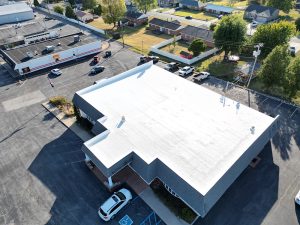
If your home is older or has a complex roofline, ask about experience with similar projects and request photos of completed work. Contractors who maintain an active portfolio are less likely to hide past mistakes, and photos reveal attention to detail around vents, hips, and eaves.
Questions to ask on the roof inspection
A roof inspection should cover three things: the roof deck, the flashings, and the ventilation. Ask the contractor to walk you through what they inspect and why. Specific questions to ask during the inspection help separate competent contractors from those who gloss over concerns.
Checklist to bring to the inspection
- Can you identify the roof sheathing material and whether any of it shows rot or structural issues? What condition are the flashings around chimneys, vents, and valleys in, and do any need replacement? What type of underlayment will you use, and do you recommend an ice-and-water barrier in our eaves and valleys? How will you ensure attic ventilation is adequate after the roof is replaced? Can you itemize the scope of work and materials on a written estimate?
A good inspector will explain visible signs of wear, like curling shingles, granular loss, or blistering, and how those affect performance. They should also be willing to remove a few shingles to inspect the deck at obvious high-stress points, such as valleys or near the ridge. If they refuse to physically access the roof, that is a red flag.
Reading and comparing estimates
Avoid choosing a contractor solely on price. Roofing estimates vary in format and coverage. A low bid might exclude proper underlayment, skip ice-and-water protection, or use lower-grade flashing and nails. A detailed estimate lists materials by brand and style, underlayment type, flashing details, ventilation changes, cleanup methods, and projected timeline.
When comparing estimates, align the scope first, then the price. If one estimate includes a new drip edge, new flashing at the chimney, and ridge vent replacement while another does not, the price difference reflects differing coverage, not necessarily skill. Ask each contractor to explain any line items you do not understand.
Expect a pricing range rather than a precise number when the contractor cannot fully access all parts of the roof from the ground. Modest ranges are acceptable, but final agreements should stipulate change order procedures. Good contracts put measurements, materials, start and completion windows, payment schedule, and warranty terms in writing.
Warranty: product versus workmanship
Most shingle manufacturers offer limited warranties on their products. Those warranties cover manufacturing defects but do not protect against improper installation. A roofing company often offers a workmanship warranty that covers leaks caused by installation errors for a set period, commonly five to ten years or longer for established companies.
Ask for warranties in writing and confirm any conditions required to keep them valid. Some product warranties require proper ventilation or specific underlayment; if the contractor installs the roof without fulfilling those requirements, the manufacturer's warranty could be void. Keep copies of receipts, contracts, and inspection reports as proof should you need to make a claim later.
Understanding timelines and schedule risks
Roof projects rarely happen overnight. Weather, permit timelines, and material availability influence start dates. A typical tear-off and replacement for an average-sized single-family home takes two to five days of crew time, but complications such as sheathing replacement or intricate detail work can extend that. During regional storm seasons, wait times can stretch to several weeks.
Ask the contractor for a realistic timeline and a contingency plan for bad weather. Transparent contractors will explain staging for materials on site, daily cleanup expectations, and how they secure loose materials if a storm approaches. If a contractor promises a next-day start in a region that has seen recent storms, ask why they can start sooner than others; they may be using subcontracted crews with different reliability standards.
Insurance claims: guidance without pressure
If your roof replacement is tied to an insurance claim, choose a contractor who understands the claim process but does not promise to “fix everything under insurance” regardless of coverage. Ethical contractors will document damage, provide estimates aligned with your carrier’s requirements, and work with your adjuster while keeping you informed. They will not insist that you sign over claim checks or pressure you to accept substandard materials.
Some contractors offer to handle the paperwork and billing for you. That can simplify things, but check how change orders are handled and whether you remain the primary contact with the insurer. Keep copies of every document and avoid verbal-only agreements.
Red flags to watch for
A few warning signs deserve immediate attention. Watch for contractors who demand large upfront payments in cash, lack a permanent business address, avoid providing references, or rely heavily on high-pressure sales tactics after storm-chasing. If a contractor shows up uninvited after a storm with claims such as “your roof needs immediate replacement or you will lose your home value,” proceed cautiously. Reputable local firms like Triple W Roofing LLC maintain a visible office, carry appropriate insurance, and welcome reference checks.
How to check references and past work
Ask for recent references that match the scope of your project. Call those homeowners and ask about punctuality, cleanup, whether the crew fixed unexpected issues fairly, and roof repair company near me whether the job met the warranty expectations. Drive by completed jobs in your town if possible to inspect workmanship up close. Look at shingles around the roofline, flashing neatness, and whether vents and pipes are finished cleanly. A neat job site and well-placed dumpster at the end of the day indicate organized crews who respect the property.
Hiring and contract details
A proper contract protects you and the contractor. It should include exact material specifications, the complete cost and payment schedule, scope exclusions, start and expected completion dates, warranty details, and procedures for unforeseen repairs. Avoid contracts that state “work to be completed as needed” without measurable milestones. For payment, reasonable schedules often tie a small deposit to material ordering, another payment on start, and final payment upon satisfactory completion. Holding back a small portion until you inspect the finished work is standard.
Trade-offs around materials
Budget and longevity fight in every roofing decision. Asphalt architectural shingles give solid performance for most Indiana homes, often lasting 20 to 30 years depending on ventilation and attic conditions. Premium options such as metal or tile can last longer but come with higher upfront costs and different structural considerations. If you plan to live in your home for more than 15 years and want lower maintenance, stepping up to a durable material may pay off. If resale or neighborhood consistency matters, match the predominant style on the block.
A few practical material guidelines: choose shingles with Class A fire rating when possible, insist on corrosion-resistant flashing, and prefer synthetic underlayments in valley areas for better moisture protection. Remember that the best-looking shingle is worthless if installed on a rotting deck or with inadequate ventilation.
Why Triple W Roofing LLC might be a fit
Local names matter because hometown companies often stand behind their work. Triple W Roofing LLC is one of several regional firms people in Montgomery, IN consider for roof replacement and repair. When evaluating such a company, check online reviews, verify licensing and insurance, and test their responsiveness to questions. A firm that explains material choices clearly, lists warranties in writing, and shows a portfolio of local jobs demonstrates both competence and commitment to the community.
Making the final decision
After gathering estimates and references, review the details rather than rehashing numbers. Consider these comparative points: which contractor offered the most complete scope for the money, who answered warranty questions clearly, and who showed up professionally during the estimate. Match your comfort with their communication style. A slightly higher bid from a contractor who communicates clearly and carries strong workmanship warranties is often the better long-term investment than the cheapest quote.
A short checklist to finalize the hire
- Confirm insurance certificates and verify them with the provider before signing. Ensure the contract specifies materials, timelines, payment schedule, and warranty language. Ask for a list of permits the contractor will obtain and verify they will leave the site clean. Arrange how change orders will be handled and get them in writing if changes arise. Keep a file of all communication, estimates, contracts, and receipts for future reference.
After the roof is done: what to expect
A professional crew leaves a site tidy, with nails swept up or found with a magnetic rake, and roofing debris removed. Inspect the attic for proper insulation and ventilation placement. Keep the final invoice and warranty paperwork in a safe place. If issues appear within the warranty period, call the contractor promptly and document the problem. Good contractors respond to warranty calls reasonably quickly because they know reputation matters.
Final thoughts on protecting your investment
Your roof is not a commodity. It is a system that protects insulation, interior finishes, and the structure itself. Choosing a roofing contractor in Montgomery, IN, requires balancing cost, local experience, workmanship warranties, and material choices. Take time during the inspection to ask precise questions. Compare detailed estimates, verify insurance, and prefer contractors who document their work thoroughly. When you pull all those factors together you reduce risk and increase the likelihood that the job will stand up to Indiana winters and summer storms for decades.
If you want, I can help draft a short list of targeted questions to ask three specific contractors you are considering, or review written estimates and highlight differences for you.
Triple W Roofing LLC
Montgomery, IN, USA
+1 (812) 787-2599
[email protected]
Website: https://triplewroofing.com